

We like to pretend colonialism is a thing of the past, a dark chapter humanity moved beyond. But reality is far less comfortable. The next wave isn’t coming with ships, guns, or soldiers. It’s coming with robots, automation platforms, AI systems, and intellectual property controlled almost exclusively by the world’s richest nations and corporations.
This time, the takeover is subtle. Polite. Wrapped in “innovation,” “efficiency,” and “economic development.”
But make no mistake, it threatens local job security, national sovereignty, and the ability of developing nations to compete at all.
Welcome to Automation Colonialism, the quiet conquest of the global workforce.

In traditional colonialism, land, minerals, and bodies were controlled.
In today’s version, the resource being extracted is economic participation itself.
Developed countries own:
The patents for automation systems
The robotics manufacturing plants
The AI compute infrastructure
The cloud platforms
The proprietary software
The supply chain pipelines
The capital to scale globally
The skills and training pipelines to keep advancing
Developing countries? They’re clients, not partners.
If you don’t own the tools of production, you eventually don’t own any production.
Robots Don’t Just Replace Jobs, They Replace Bargaining Power
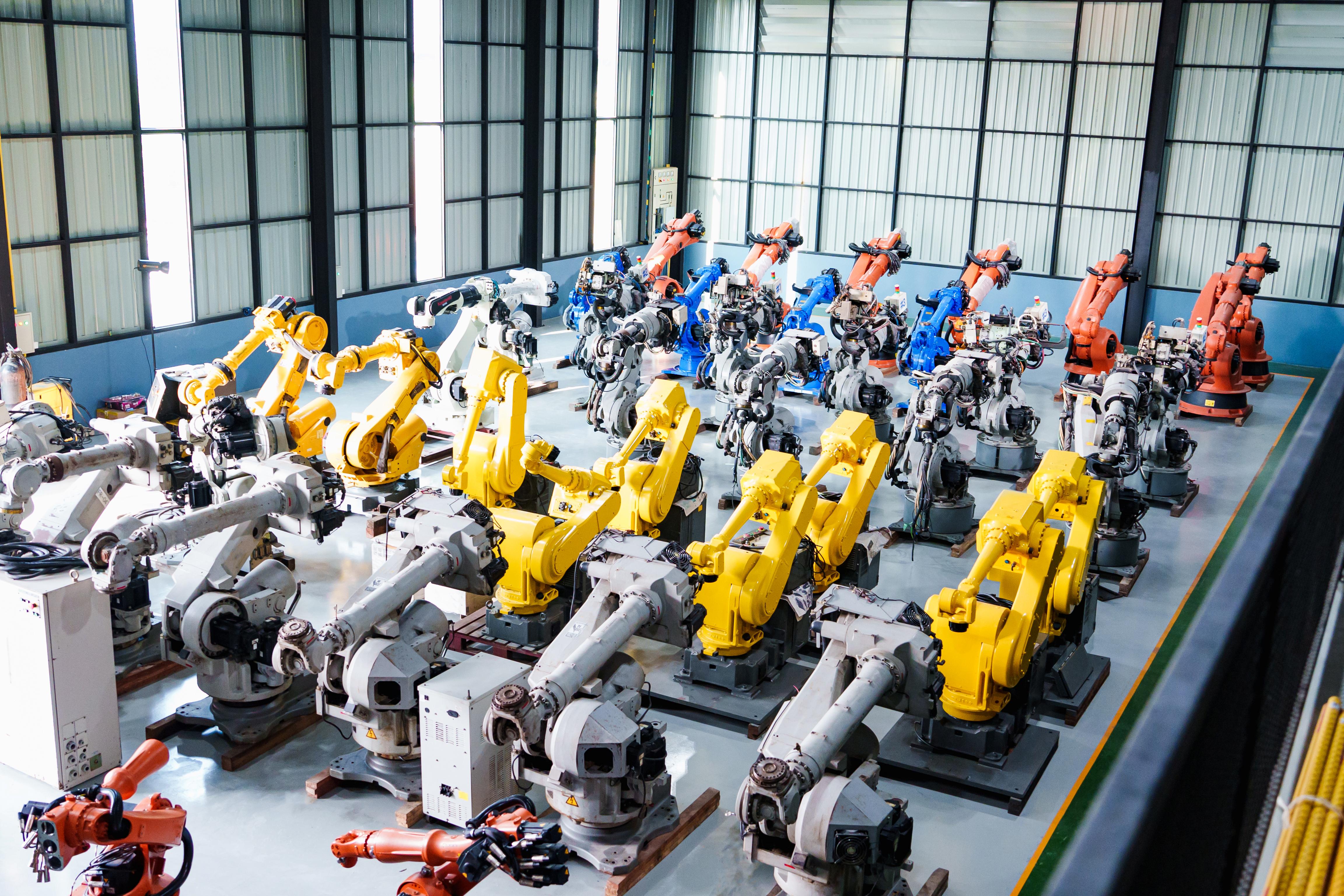
When a multinational deploys robots into a market with high unemployment, let’s be blunt:
Those machines are not “creating opportunity.” They’re eliminating the last leverage ordinary workers had > their labour.
In a country where:
30-50% of the population depends on manual labour
Education pipelines are already strained
Youth unemployment is a structural crisis
…introducing robotic automation without local ownership or profit-sharing is nothing short of economic warfare.
And the most dangerous part?
Workers can’t protest a robot.
Unions can’t negotiate with automation.
Governments can’t tax unemployment.
This is where the exploitation becomes invisible.
Here’s the dirty truth those in control won’t say out loud:
Automation is only liberating if you own it.
Otherwise, it becomes a permanent dependency.
Developing nations are locked into:
Paying licensing fees to foreign companies
Buying imported robots they did not design
Using cloud platforms they cannot reproduce locally
Relying on infrastructure controlled by someone else’s economy
Losing foreign investment when robots remove the “cheap labour advantage”
This means the wealth generated by automation flows out of the country.
Local economies are left with small scraps: maintenance contracts, basic assembly, or low-tier tech support roles.
It’s the same colonial pattern, just digitised and sanitised.
The Subtle Invasion: Tech Ownership = Economic Control
In the old world, power came from armies.
In the new world, power comes from:
Data ownership
Compute ownership
Automation ownership
IP ownership
Platform ownership
Countries that don’t own their technologies end up renting their future, and paying interest indefinitely.
This is why automation colonialism is more dangerous than historical colonialism:
1. There’s no obvious invader.
It hides behind glossy branding and ESG reports.
2. The extraction never stops.
Licensing fees don’t end. Subscriptions don’t end. Cloud costs don’t end.
3. Automation destroys paths to independence.
If nations can’t build industries that employ people, they can’t build economies that sustain themselves.
4. A robotised world favours entrenched power.
The wealth gap becomes a canyon.
What Happens When the Workforce Is Locked Out of the Economy?
Let’s talk consequences, because this is where the real danger lives:
Rising unemployment
Economic instability
Social unrest
Increased migration
Collapse of local industries
Weakening of national sovereignty
Dependency on foreign investors
Loss of local innovation capacity
People who have no stake in the economy become desperate.
Nations with no leverage become compliant.
And once a country’s ability to negotiate is gone, colonialism is complete > without a single shot fired.
The Path Forward: Owning the Automation Future
The only way out is to own the tools of the new economy.
Developing nations must:
- Build local robotics and automation IP
- Fund local semiconductor, firmware, and AI innovation
- Create national tech-sovereignty strategies
- Partner through equity, not dependence
- Train local engineers and operators
- Develop legal frameworks preventing foreign tech monopolies
- Protect data as a national resource
- Design local manufacturing pipelines (even small-scale at first)
In my opinion, this is the only way to break the cycle.